Chapter 4: Camera Settings, Aperture & F-Stop
The
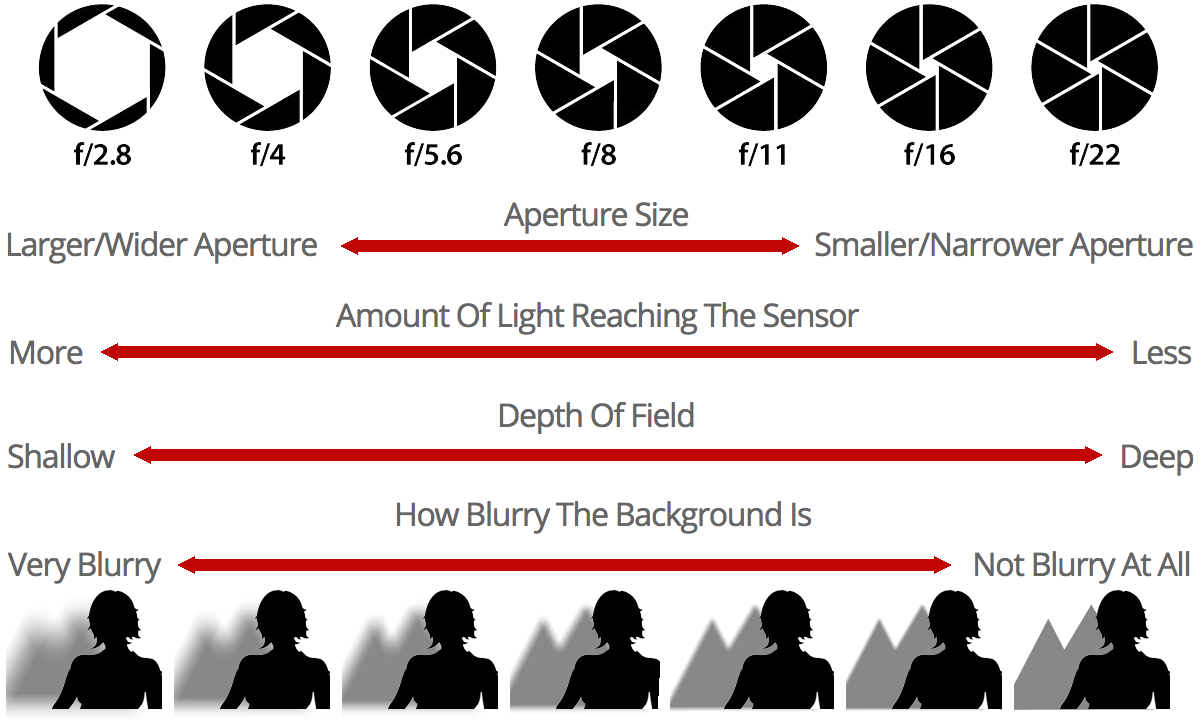
Different lenses have different aperturesapertures, and so can handlehandling different f-stop ranges. Aperture also determines the Depth of Field.
Shallow Depth of Field
Aperture
Wide Depth of Field
Aperture = f/1.4
DOF = 0.8cm
f/4.0
DOF = 2.2cm
Aperture = f/22
DOF 12.4
The Canon EF 24-105mm f/4L IS II USM lens that is normally kept on the SCiL DSLR cameras has an adjustable f-stop rangefrom f/4 (wide open) to f/22 (nearly closed). It will retain the f-stop you set through its entire zoom range from 24mm to 105mm.
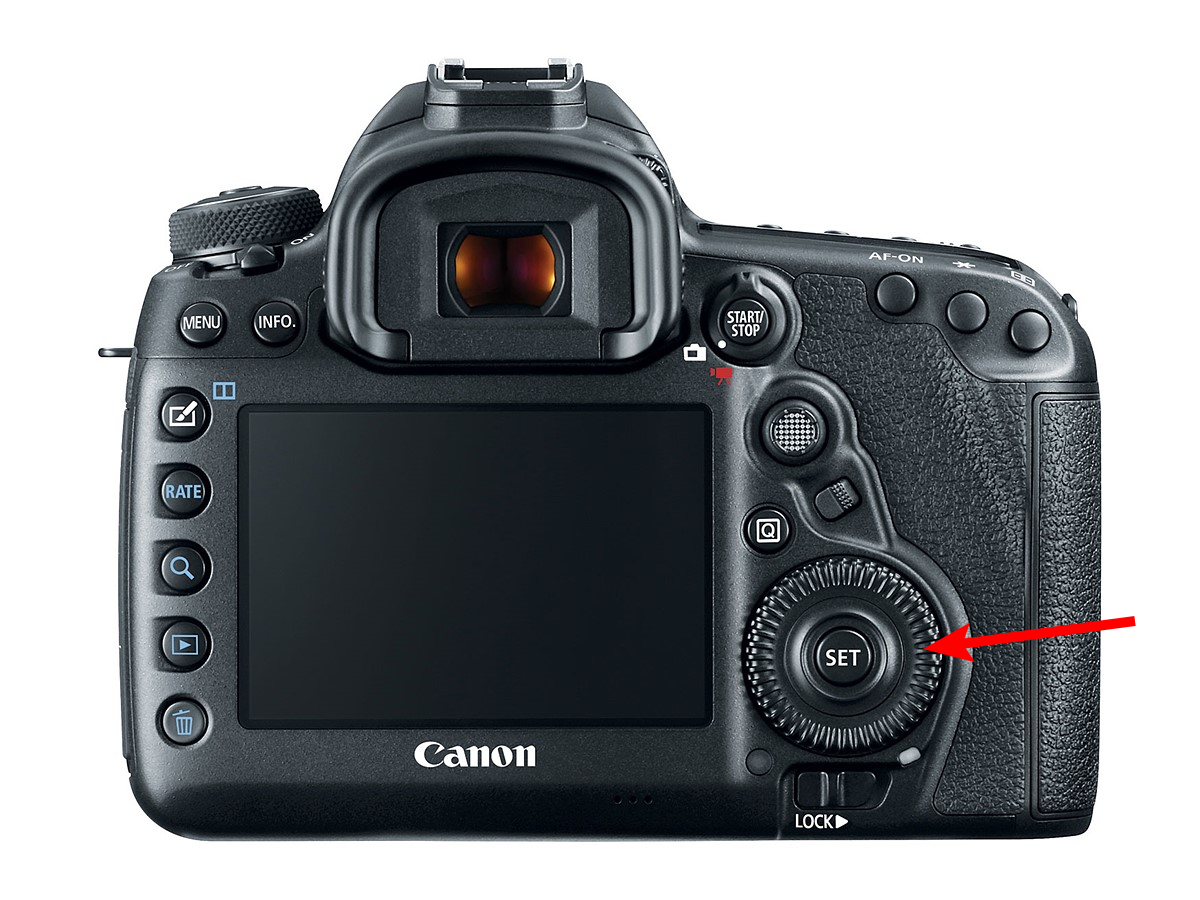
When the camera is set to video mode, you can set the f-stop on the Canon EOS 5D Mk IV using the large dial around the "set" button located at the lower right of the camera body.
Lower f-stop numbers (like f/4) indicate that the aperture is more open, allowing in more light.
Higher f-stop numbers (like f/22) indicate that the aperture is more closed, allowing in less light.
F-stop settings influence the depth of field.
f/1.2 - f/2.8 - lets in a lot of light, with a correspondingly shallow depth of field.
f/4 - f/8 - useful in many scenarios, with a somewhat wider depth of field.
f/11 - f/32 - best for bright settings, with a wide depth of field.
In the chart below, see how different f-stop settings change the amount of light reaching the sensor and the depth of field: